
In industrial facilities, labels are everywhere. They guide workflows, assist with compliance efforts, and maintain order in fast-paced situations. However, not all labels are made equal. Drum labels are among the most distinctive, since they are purpose-built identifiers developed for the specific needs of large, cylindrical containers that play an important part in storage and transport operations.
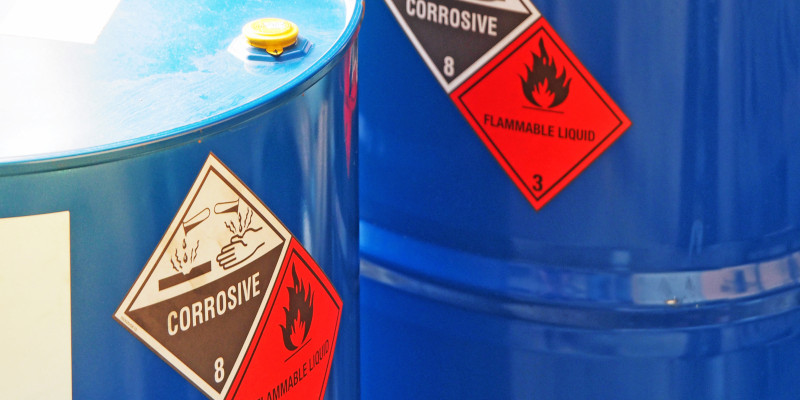
Here are a few things to think about when it comes to drum labels.
- Adapt to Curved Surfaces: Drum labels, unlike the flat-surface labels used on boxes, shelves, and machinery panels, must adapt to curved surfaces. This fundamental variation alters everything about their design and performance. A label affixed to a drum must remain adherent and legible despite frequent handling, rotation, and environmental exposure. The curve provides tension areas that can test standard materials, requiring a flexible yet durable design.
- Durable: Drums are routinely moved between locations—across warehouse floors, onto transport vehicles, or even between sites. As a result, drum labels must survive wear, vibration, and extreme temperatures. Additionally, this mobility requires significantly greater durability than is required for labels mounted to walls or control panels.
- Able to Withstand Environmental Conditions: Moisture, dust, chemicals, and temperature fluctuations are all common in industrial buildings. Drum labels, unlike other labels, are frequently exposed to these fluctuations. Their materials and adhesives must be chosen keeping these realities in mind.
- Clear Instructions: When providing our team with the necessary information for your company’s particular drum labels, we recommend double-checking the information you give us to ensure it is easy to understand. Doing so will make sure you get the results you’re hoping for.